IRIG 106-99 APPENDIX G,
Continued....
SUBMUX DATA FORMAT FIELD DEFINITIONS
The details of the submux data format are shown in
figures G-4a and G-4b and defined in the
Submux Data Format Field Definitions Summary.
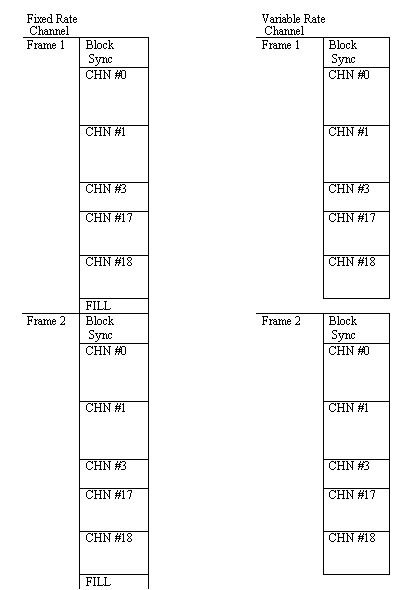
Figure G-5 shows a typical primary channel aggregate data content for
fixed and variable rate channel. Submux data format is based on the sequential
collection of the individual channel data blocks. Each channel data block
is the sequential collection of presented input samples in a fixed period of
time. This sequential collection results in a variable length, fixed rate,
and channel data blocks. To accommodate fixed rate channels, fill is also
defined. The aggregate data stream is composed of a block sync timing
channel, followed by sequential channel data blocks, if enabled, followed by
fill, if required, at fixed block rate.
The channel data blocks are the sequential collection of input samples bit
packed into sequential 16-bit words over the block period of time. The
data block is preceded by a three-word header that identifies the source
(channel ID) of data, channel type of processing, packing format in the data
block, bit count length of the valid data, and the time delay between the first
sample and the block period. If data were internally sampled, the sample
period is defined with the first sample being coincident with the start of
block period. Channel type is used to define specific types of channels that
provide timing, annotation, and synchronization functions that may be required
by the specific primary channel or may be redundant and not required.
Specific implementation of the required channels may provide only the required
channels with specific implementation constraints that limit the aggregate
rate or the range of any specific field.
The submux format is based on a 16-MHz clock defining all timing. The
derived clock is the 16-MHz clock divided in binary steps as defined by
2BRC that defines all timing and internal
sampling. Block period is 20 160 derived clock periods which limits the
submux aggregate to 256 Mbps, limits the maximum block rate to 793.65 blocks
per second, and in conjunction with a 16-bit bit count field, limits the
subchannel maximum data rate to 52 Mbps.
|
|
HW1 |
(bits 15 to 11) |
CHN ID, Channel ID number, from 0 to
30 binary number represents normal channel of any type. CHN ID = 31
reserved for Block Sync.
|
|
|
(bits 10 to 8) |
CHT, Channel Type, from 0 to 7 defines type
of processing performed on the data and the format of header word fields.
|
|
CHT = 0 |
|
Timing channel, block sync or time tag,
3-word only |
|
CHT = 1 |
|
Annotation text or block count, variable length
|
|
CHT = 2 |
|
Digital serial external or internal clock,
variable |
|
CHT = 3 |
|
Digital parallel external clock, variable
|
|
CHT = 4 |
|
Analog wide band, variable |
|
CHT = 5 |
|
Analog stereo, variable |
|
CHT = 6 |
|
TBD (to be defined by future implementation)
|
|
CHT = 7 |
|
TBD
|
|
HW1 |
(bits 15 to 11) |
CHN ID, Channel ID number, from 0 to
30 binary number represents normal channel of any type. |
|
|
(bits 10 to 8) |
CHT, Channel Type, from 1 to 7 defines type
of processing performed on the data and the format of header word fields.
|
|
|
(bits 7 to 4) |
FMT, Format, defines the number of bits minus
one in each sample. Data block sample size (bits) = (FMT+1). Range 0 to
15, binary format. |
|
|
(bits 3 to 0) |
ST1 to ST4, status bits, define dynamic
conditions within this block period such as over range.
|
|
HW2 |
(bits 15 to 0) |
Bit_Count defines the number of valid data bits
in the data block starting with the most significant bit of the first data
word DW1. Variable word length of the data block is the Integer of
((Bit_Count + 15)/16). Range 0 to 65535, binary format. |
|
HW3 |
(bit 15) |
I/E, Internal / External clock |
|
|
(bits 15 to 0) |
Depends on CHT field, defines block count,
time delay, or sample period.
|
|
HW1 |
(bits 15 to 0) |
SYNC 1 = F8C7 hex, defines the first
sync word. |
|
HW2 |
(bits 15 to 0) |
SYNC 2 = BF1E hex, defines the second sync
word. |
|
HW3 |
(bits 15 to 13) |
BRC, Block Rate Clock, defines the binary
divisor for the 16 MHz system clock. Derived CLK = 16 MHz / 2
BRC MHz. Block rate = Derived CLK / 20160 Hz.
Period = 1 / Derived CLK. |
|
|
(bit 12) |
FILL, indicates if the primary channel
requires fill for constant rate. |
|
|
(bits 11 to 4) |
TBD |
|
|
(bit 3) |
AOE, Aggregate Overrun Error if set indicates
that the aggregate of the enabled channels exceeds the submux aggregate
(data truncated to 20 160 words between sync). |
|
|
(bit 2) |
PCRE, Primary Channel Rate Error if set
indicates that primary channel is unable to maintain the aggregate rate
of the submux. Excess blocks are truncated. |
|
|
(bits 1 to 0) |
ST3, ST4, Status reserved.
|
|
HW1 |
(bits 15 to 11) |
CHN ID, Channel ID number, from 0 to
30 binary number represents normal channel. |
|
|
(bits 10 to 8) |
CHT = 0, Channel Type = 0, Time Tag IRIG
Time code processing and 3-word format. |
|
HW |
(bits 7 to 0) |
DAYS, Most significant 8 bits of Time Code
Days field. BCD format. |
|
|
(bits 15 to 14) |
DAYS, Least significant 2 bits of Time Code
Days field. BCD format. |
|
|
(bits 13 to 8) |
HOURS, Time Code Hours 6 bit field. BCD
format.
|
|
HW |
(bits 7 to 0) |
MINUTES, Time Code Minutes 7 bit field. BCD
format. |
|
|
(bits 15 to 8) |
SECONDS, Time Code Seconds 7 bit field. BCD
format. |
|
|
(bits 7 to 0) |
FRACTIONAL SECONDS, Time Code Fractional
Seconds 8 bit field. BCD format.
|
|
HW1 |
(bits 15 to 11) |
CHN ID, Channel ID number, from 0 to
30 binary number represents normal channel. |
|
|
(bits 10 to 8) |
CHT = 1, Channel Type = 1, Block Count and
Annotation Text if any. |
|
|
(bits 7 to 4) |
FMT = 7, Format = 7 , defines 8 bit ASCII
character in text. |
|
|
(bit 3) |
NC, No Characters (Bit_Count = 0) Block
count only. |
|
|
(bits 2 to 0) |
OVR, PE, OE, Overrun Parity and async
framing error. |
|
HW |
(bits 15 to 0) |
Bit_Count defines the number of valid data bits
in the data block starting with the MSB of the first data word DW1.
Variable word length of the data block is the Integer of
((Bit_Count + 15)/16). Range 0 to 65 535, binary format. |
|
HW |
(bits 15 to 0) |
Block_Count sequential block numbering with
rollover at maximum. Range 0 to 65 535, binary format. |
|
DW1 |
(bits 15 to 8) |
1st CHARACTER, first text character. |
|
DW |
(bits 8 or 0) |
Last CHARACTER, LSB is defined by the Bit
Count.
|
|
HW1 |
(bits 15 to 11) |
CHN ID, Channel ID number, from 0 to
30 binary number represents normal channel. |
|
|
(bits 10 to 8) |
CHT = 2, Channel Type = 2, digital serial or
data and clock over sampled data. |
|
|
(bits 7 to 4) |
FMT = 0 Format = 0, defines 1-bit data samples.
|
|
|
(bit 3) |
NSIB, No Samples In Block (Bit_Count=0) header
only. |
|
|
(bit 2) |
OVR, Overrun indicates that input is clocking at
faster than specified rate. Data is truncated at specified bit rate
(Bit Count per Block). |
|
HW |
(bits 15 to 0) |
Bit_Count, defines the number of valid data
bits in the data block starting with the most significant bit of the
first data word DW1. Variable word length of the data block is the Integer
of ((Bit_Count + 15)/16). Range 0 to 65 535, binary format. Limited by
set maximum rate. |
|
HW |
(bit 15 ) |
I/E = 0, Internal / External clock flag
indicates that external clocking was used with relative phasing to block
as specified in next field. |
|
|
(bits 14 to 0) |
Time Delay provides the measure of time
between start of block period and the first external clock in derived
clock periods. Range 0 to 20 160, binary format. |
|
DW1 |
(bit 15) |
DS1, first data
sample at the first clock time in the block. |
|
Dwn
|
(bit L) |
DSL, last
data sample in this block period.
|
|
HW1 |
(bits 15 to 11) |
CHN ID, Channel ID number, from 0 to
30 binary number represents normal channel. |
|
|
(bits 10 to 8) |
CHT = 2, Channel Type = 2, Digital serial
or data and clock over sampled data. |
|
|
(bits 7 to 4) |
FMT = 0 Format = 0, defines 1-bits data samples.
|
|
|
(bits 3 to 0) |
0, reserved. |
|
HW2 |
(bits 15 to 0) |
Bit_Count defines the number of valid data
bits in the data block starting with the most significant bit of the first
data word DW1. Variable word length of the data block is the Integer of
((Bit_Count + 15)/16). Range 0 to 65 535, binary format. Limited by set
maximum rate. |
|
HW3 |
(bit 15) |
I/E = 1, Internal Sampling flag indicates
that internal sampling was used as specified in next field. |
|
|
(bits 14 to 9) |
TBD |
|
|
(bits 8 to 0) |
SAMPLE PERIOD, defines the period of the
over-sampling clock that samples data and clock, in derived clock
periods. Range 0 to 4 mega samples per second, binary format. |
|
DW1 |
(bit 15) |
DS1, first data
sample at block time. |
|
|
(bit 7) |
CS1, first
clock sample at block time. |
|
DWn |
(bit 8) |
DSL, last data
sample in this block period. |
|
|
(bit 0) |
CSL, last clock
sample in this block period.
|
|
HW1 |
(bits 15 to 11) |
CHN ID, Channel ID number, from 0 to
30 binary number represents normal channel. |
|
|
(bits 10 to 8) |
CHT = 3, Channel Type = 3, Digital parallel
or serial data. |
|
|
(bits 7 to 4) |
FMT, Format, defines the number of bits minus
one in each sample. Data block sample size (bits) = (FMT+1). Range 0 to
15, binary format. |
|
|
(bit 3) |
NSIB, No Samples In Block (Bit_Count = 0)
Header only. |
|
|
(bit 2) |
OVR, Overrun indicates that input is clocking
at faster than specified rate. Data is truncated at specified bit rate
(Bit Count per Block). |
|
HW2 |
(bits 15 to 0) |
Bit_Count defines the number of valid data bits
in the data block starting with the most significant bit of the first data
word DW1. Variable word length of the data block is the Integer of
((Bit_Count + 15)/16). Range 0 to 65 535, binary format. Limited by set
maximum rate. |
|
HW3 |
(bit 15) |
I/E = 0, Internal / External clock flag
indicates that external clocking was used with relative phasing to block
as specified in next field. |
|
|
(bits 14 to 0) |
Time delay provides the measure of time between
start of block period and the first external clock in derived clock
periods. Range 0 to 20 160, binary format. |
|
DW1 |
(bit 15) |
DS1, MSB of the
first data sample at the first clock time in the block. |
|
DWn
|
(bit L) |
DSL, LSB of the
last data sample in this block period.
|
|
HW1 |
(bits 15 to 11) |
CHN ID, Channel ID number, from 0 to
30 binary number represents normal channel. |
|
|
(bits 10 to 8) |
CHT = 4, Channel Type = 4, analog wide band
sampled data. |
|
|
(bits 7 to 4) |
FMT, Format, defines the number of bits minus
one in each sample. Data block Sample Size (bits) = (FMT+1). Range 0 to
15, binary format. Limited by the A/D resolution. |
|
|
(bit 3) |
AOR, Analog over range (A/D 4-msb = F).
|
|
|
(bits 2 to 0) |
ST2 to ST4, reserved status |
|
HW2 |
(bits 15 to 0) |
Bit_Count defines the number of valid data bits
in the data block starting with the MSB of the first data word DW1.
Variable word length of the data block is the Integer of
((Bit_Count + 15)/16). Range 0 to 65 535, binary format.
Limited by set maximum rate. |
|
HW3 |
(bit 15) |
I/E = 1, Internal Sampling flag indicates that
internal sampling was used as specified in next field. |
|
|
(bits 14 to 12) |
TBD |
|
|
(bits 11 to 0) |
Sample Period defines the period of the
over-sampling clock that samples data and clock, in derived clock periods.
Range 0 to 4m samples per second, binary format. |
|
DW1 |
(bit 15) |
DS1, MSB of the
first data sample at the first clock time in the block. |
|
DWn
|
(bit L) |
DSL, LSB of
the last data sample in this block period.
|
|
HW1 |
(bits 15 to 11) |
CHN ID, Channel ID number, from
0 to 30 binary number represents normal channel. |
|
|
(bits 10 to 8) |
CHT = 5, Channel Type = 5, Analog stereo voice
band data. |
|
|
(bits 7 to 4) |
FMT, Format defines the number of bits minus
one in each sample. Data block sample size (bits) = (FMT+1). Range 0
to 15, binary format. Limited by the A/D resolution. |
|
|
(bit 3) |
LAOR, left subchannel over range. |
|
|
(bit 2) |
RAOR, right subchannel over range. |
|
|
(bits 1 to 0) |
ST2 to ST4, reserved status. |
|
HW2 |
(bits 15 to 0) |
Bit_Count defines the number of valid data bits
in the data block starting with the MSB of the first data word DW1.
Variable word length of the data block is the Integer of
((Bit_Count + 15)/16). Range 0 to 65 535, binary format. Limited by set
maximum rate. |
|
HW3 |
(bit 15) |
I/E = 1, Internal Sampling flag indicates that
internal sampling was used as specified in next field. |
|
|
(bit 14) |
ENL, Enable Left subchannel. |
|
|
(bit 13) |
ENR, Enable Right subchannel. |
|
|
(bit 12) |
TBD |
|
|
(bits 11 to 0) |
Sample period defines the period of the
over-sampling clock that samples data and clock, in derived clock periods.
Range 3.76 to 40K samples per second, binary format. |
|
DW1 |
(bit 15) |
DS1, MSB of the
first data sample left subchannel if enabled. |
|
|
(bit 15- FMT-1) |
DS1, MSB of the
first data sample right subchannel if enabled, else second sample.
|
|
DWn |
(bit L) |
DSL, LSB of the
last data sample in this block period.
|